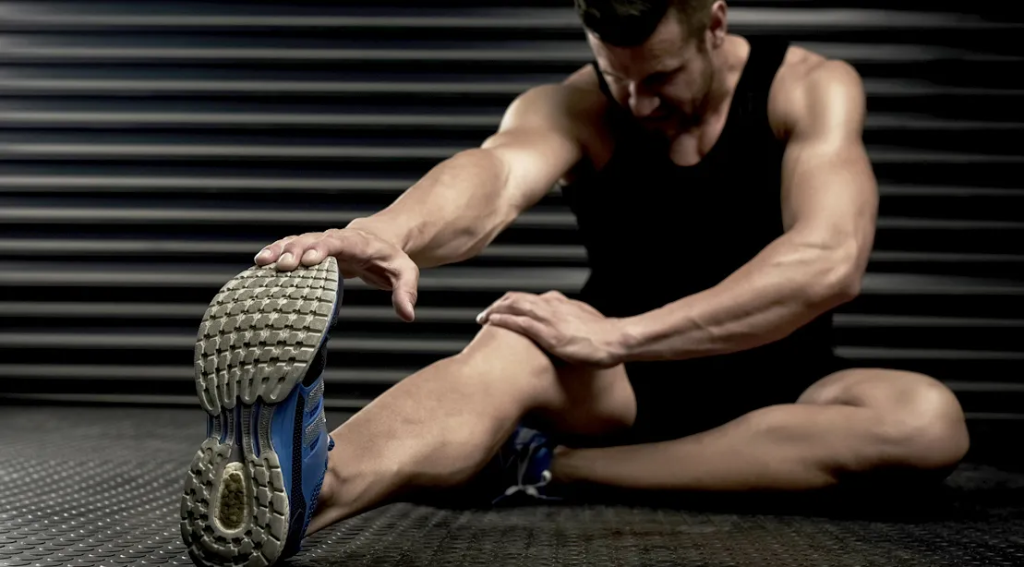
Here’s something most people don’t realize when they start working out: rest days don’t always mean lying on the couch doing absolutely nothing.
After crushing a brutal leg day or finishing an intense HIIT session, your body is screaming for a break.
And sometimes? Complete rest is exactly what you need.
But there’s another option that might actually help you recover faster: active recovery.
What Exactly Is an Active Recovery Workout?
Think of active recovery as the gentle, kinder cousin of your regular workout routine.
An active recovery workout involves low-impact, low-intensity movements designed to get your blood flowing without putting stress on your already tired muscles.
Unlike your typical training sessions, active recovery has one simple goal: help your body heal.
These workouts should feel easy.
Like, genuinely easy.
If you’re breathing hard or feeling muscle fatigue, you’re doing it wrong. Active recovery should leave you feeling refreshed and loose, not exhausted.
Why Active Recovery Actually Works

You might be wondering: if my body needs rest, why would I keep moving?
It Reduces Muscle Soreness Faster
Light movement helps your body flush out metabolic waste while delivering fresh oxygen and nutrients to tired muscles. This speeds up recovery significantly.
It Keeps You From Getting Stiff
Ever notice how tight you feel after a complete rest day? Active recovery keeps your joints lubricated and your muscles loose.
It Helps Your Head as Much as Your Body
Taking a complete day off can sometimes mess with your routine and motivation. Active recovery lets you maintain consistency without the physical demands of a real workout.
The Best Exercises for Active Recovery
The key is choosing movements that feel good and don’t challenge you.
Low Impact Cardio
Walking is probably the most underrated recovery tool. A casual 20 to 30 minute walk does wonders.
Light cycling keeps your legs moving without impact stress. Keep the resistance low and pace comfortable.
Swimming is incredible because the water supports your body weight while providing gentle resistance.
Mobility and Stretching Work
Yoga flows are perfect for active recovery. Even basic poses hit mobility, flexibility, and provide a meditative element.
Foam rolling releases muscle tension and improves tissue quality. Focus on any areas that feel particularly tight.
Dynamic stretching involves controlled movements through your full range of motion. Think leg swings and arm circles.
Easy Bodyweight Movements
Air squats done slowly can actually help your legs recover by pumping blood through the muscles.
Resistance band exercises with light bands provide gentle resistance without overloading muscles.
A Simple Active Recovery Workout
Ready to try it? Here’s a basic 20 to 30 minute session.
Start with 5 to 10 minutes of light walking or cycling.
You should be able to hold a conversation easily.
Move into 10 minutes of mobility work.
Focus on areas that feel tight. Include gentle rotations and stretches that feel good.
Finish with 5 to 10 minutes of stretching or easy yoga poses.
Hold each stretch for 20 to 30 seconds and breathe deeply.
The whole session should feel restorative.
When Should You Use Active Recovery?

Active recovery shines brightest after your toughest training days.
For most people, one to three active recovery sessions per week is the sweet spot.
But here’s the important part: you need to actually listen to your body.
If you wake up feeling completely trashed, sometimes full rest is the smarter choice.
Mistakes That Sabotage Your Recovery
Turning Active Recovery Into a Workout
If you’re pushing the intensity, you’re defeating the entire purpose and actually delaying your recovery.
Skipping the Mobility Work
Stretching and joint mobility drills might not be exciting, but your body needs this attention.
Ignoring Recovery Altogether
Going hard every single day is a fast track to burnout and injury. Recovery isn’t weakness. It’s smart training.
Tips for Getting Active Recovery Right
The intensity should stay low. If you’re questioning whether you’re going too hard, you probably are.
Focus on your breathing and actually relaxing. Use this time to decompress and let go of stress.
Choose movements that feel good. If something doesn’t feel right, don’t force it.
Consistency beats duration. Even a quick 15 minute recovery session is valuable.
Final Thoughts
Active recovery is one of the most underrated tools in fitness.
The people who consistently incorporate it into their routines are the ones who stay healthier, perform better, and stick with their fitness goals for the long haul.
So next time you’re tempted to either push through another hard workout or spend the entire day on the couch, remember there’s a third option.
Your body will thank you for it. Learn more about your next leg day and an upper body split plan. You can also read about how often you should go.